

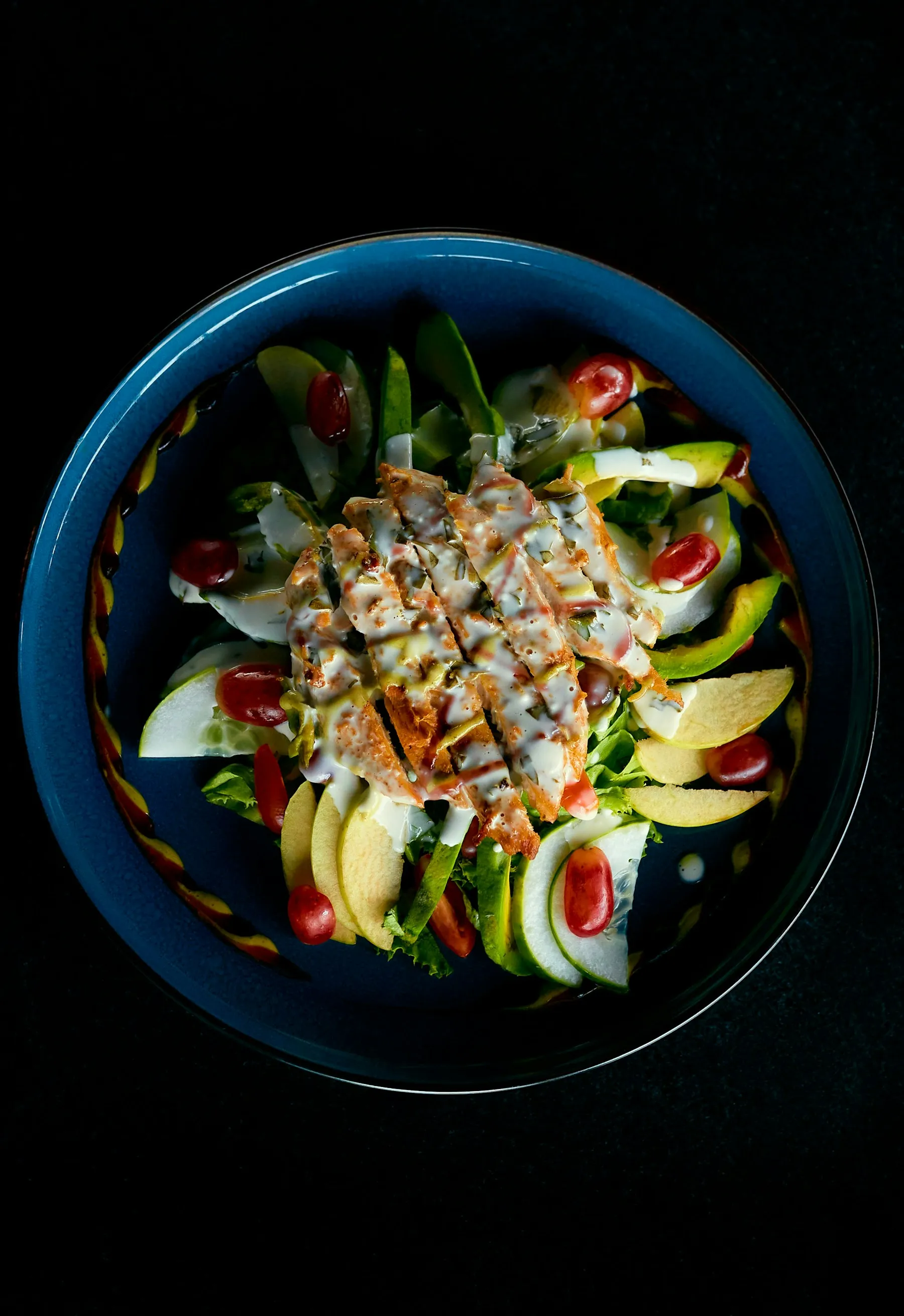
The number, per kilo of body weight
Protein is worked out per kilo of body weight, not with one figure for everyone. The minimum for a sedentary adult is around 0.8 g per kilo, but if you lift weights the useful figure is quite a bit higher.
For people who train for strength, studies put the useful range at roughly 1.6 to 2.2 g per kilo of body weight a day. FierFit Gym and the macro calculator use these values depending on your goal:
- Lose fat: 2.2 g per kilo. In a calorie deficit, more protein helps preserve muscle.
- Build muscle or strength: 2.0 g per kilo.
- Maintain: 1.8 g per kilo.
Example table by weight
Grams of protein a day with those three values. It’s a rough reference, not medical advice.
| Your weight | Maintain (1.8 g/kg) | Build muscle (2.0 g/kg) | Lose fat (2.2 g/kg) |
|---|---|---|---|
| 60 kg | 108 g | 120 g | 132 g |
| 70 kg | 126 g | 140 g | 154 g |
| 80 kg | 144 g | 160 g | 176 g |
| 90 kg | 162 g | 180 g | 198 g |
For a figure tailored to you, which also works out your calories and the rest of your macros, use the macro calculator.
How to spread it through the day
What matters most is reaching the daily total. Spreading it over three to five meals, with a good serving of protein in each, is usually the most comfortable and avoids having to eat a lot at once.
A common reference is 0.3 to 0.4 g per kilo in each main meal (about 20 to 30 g for a 70 kg person), although you don’t need to be exact.
Foods high in protein
Approximate amounts, which vary by brand and preparation:
- Cooked chicken breast, 100 g: about 30 g.
- Tuna in water, 100 g: about 25 g.
- Medium egg: about 6 to 7 g.
- Firm tofu, 100 g: between 12 and 15 g.
- Cooked lentils, 100 g: about 9 g.
- Plain Greek yoghurt, 100 g: between 9 and 10 g.
Women, deficit and precautions
The per-kilo figure is the same for men and women: what changes is each person’s weight.
If you have kidney disease or any medical condition, or take medication, check with your doctor before raising your protein significantly.
General, informative content: it doesn’t replace the advice of a doctor, dietitian or trainer.
How to keep count
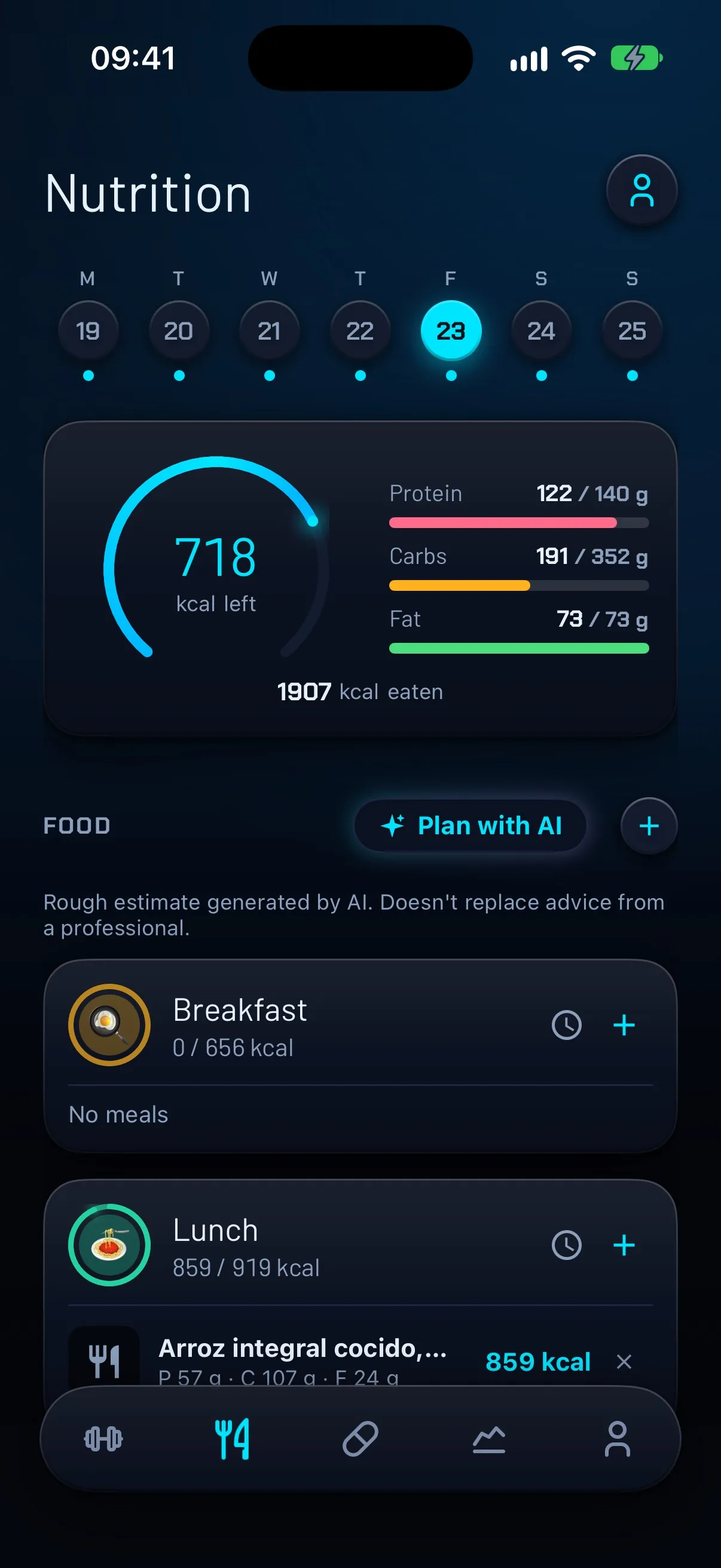
Hitting your number is easier if you see it every day. In FierFit Gym your calorie and macro targets are worked out for you, and the Nutrition diary shows how many grams of protein you’ve had against your target.

Frequently asked questions
How much protein per day do I need to build muscle?
If you lift weights, a useful reference is about 2.0 g per kilo of body weight a day (the usual range is 1.6 to 2.2 g/kg). A 70 kg person would be at about 140 g.
How much protein per day does a woman need?
The same per kilo of body weight as a man, depending on her goal. What changes is body weight.
Can you eat too much protein?
In healthy people, the figures in this guide are within the usual range. If you have kidney disease or any medical condition, check with your doctor first.
Do I need protein shakes?
No. They’re a convenient way to reach the number, but you can get there with food alone.
Keep reading
More guides
- Beginner gym routine: 3 days a week, full body →
- Counting calories with a photo: how it works and how far to trust it →
- Gym app for Apple Watch: what you can do from your wrist →
- How to track your supplements and never miss a dose →
- When to take creatine: timing, dose and loading phase →
- Supersets, drop sets and myo-reps: what they are and when to use them →